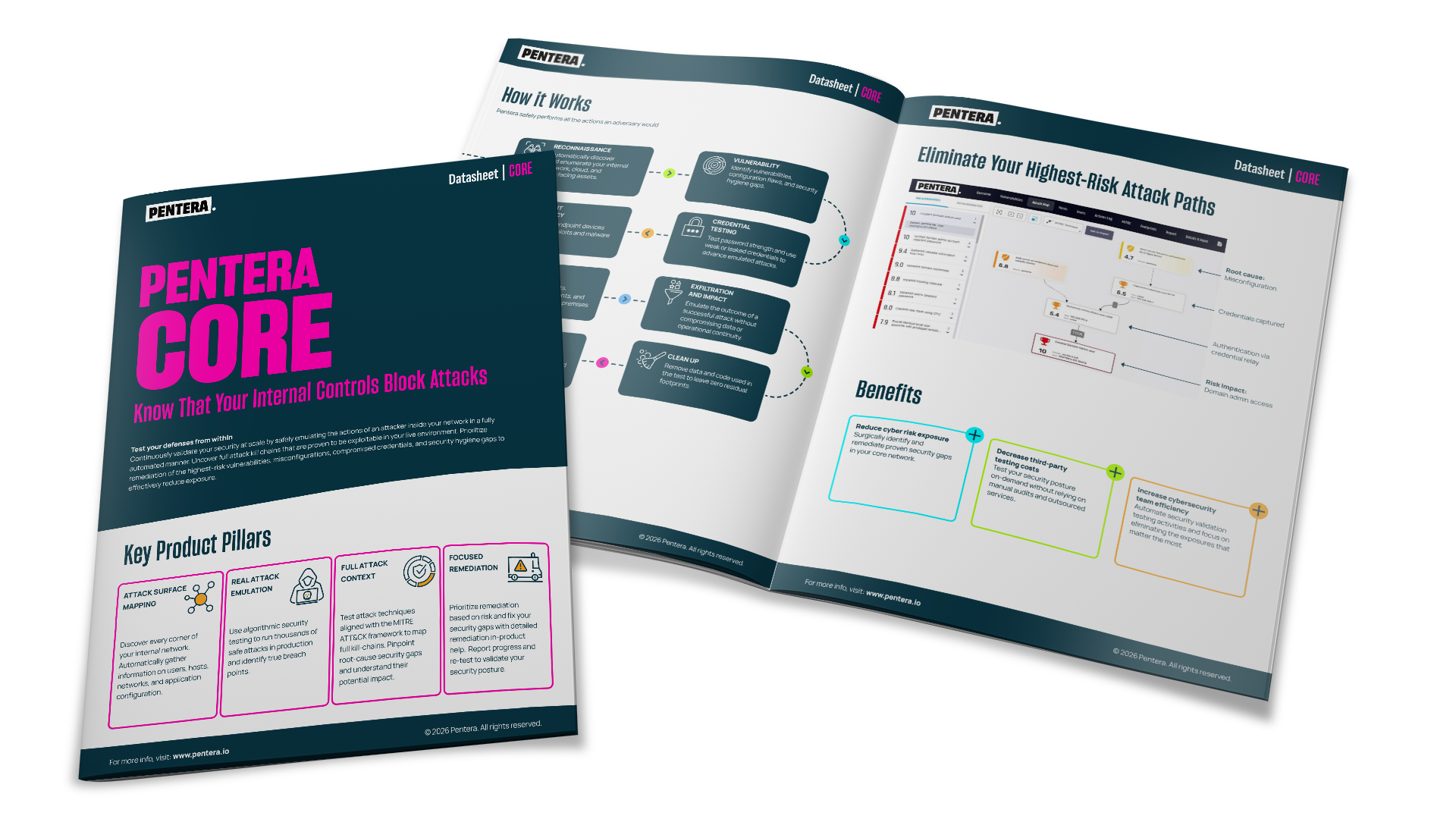


Pentera Core identifies exploitable security gaps across internal networks by emulating real adversarial TTPs. Its AI-driven pentesting combines vulnerabilities, misconfigurations, identities, and credentials to reveal complete attack kill chains, pinpoint their root cause, and prioritize what needs fixing first.
Use Pentera’s agentic AI interface as your co-pilot to manage internal network pentesting in real time. Correlate findings against past tests to identify exposure trends, focus on cyber risks most relevant to your industry and geography, and approve or adjust testing with full context.
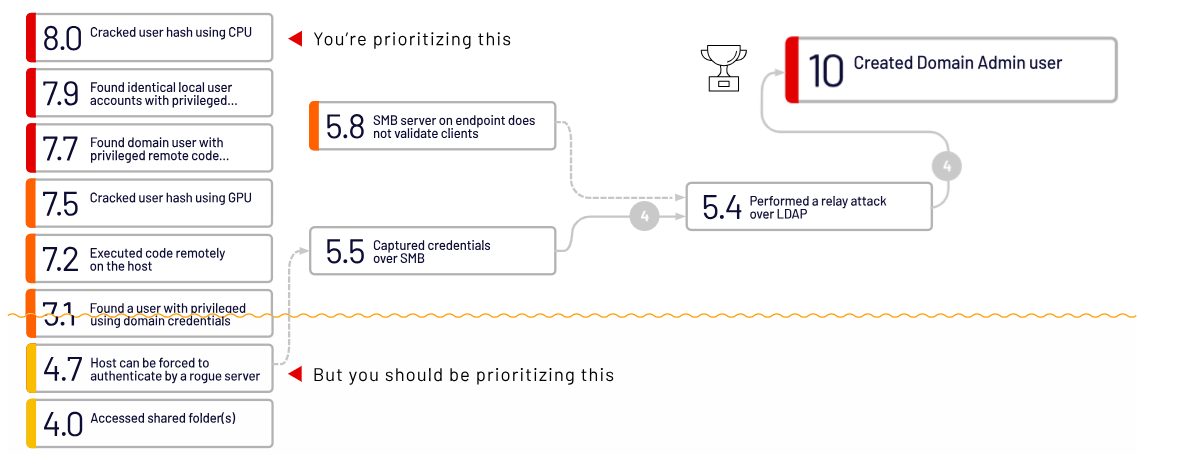
Determine how attackers can reach your high-value assets in production. Identify the root causes that enable attack progression and prioritize remediation based on proven cyber risk instead of assumptions.
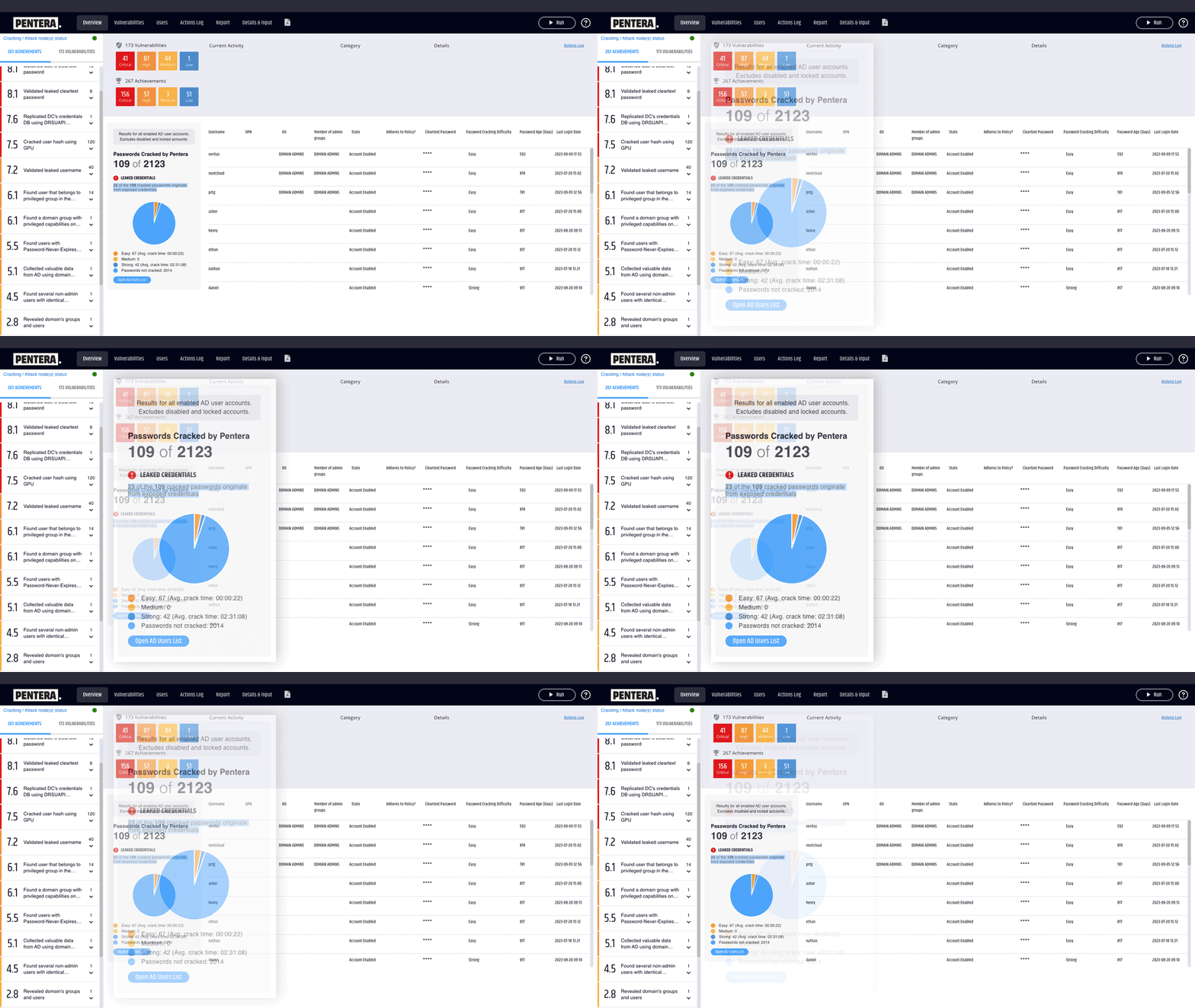
Understand how compromised credentials can be used to access your environments. Identify and harden weak passwords that put your systems at risk.
Expose escalation paths from standard users to elevated privileges. Remove excessive permissions and prevent attackers from gaining administrative control.
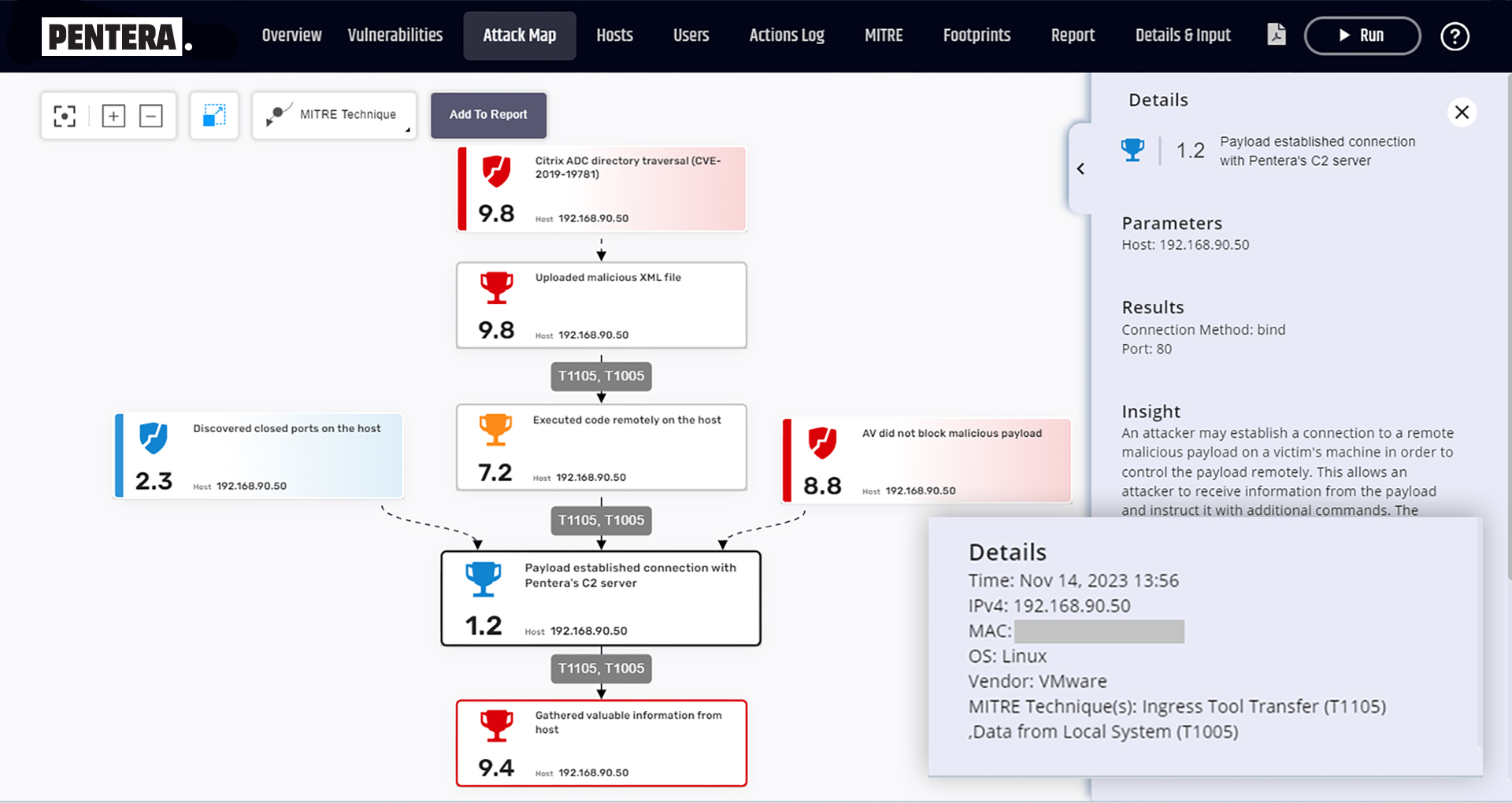
Visualize how attackers move across internal systems, network segments, and trust boundaries, mapped to MITRE ATT&CK techniques. Understand the complete kill chain to prioritize high-impact fixes and enrich remediation guidance with actionable context.
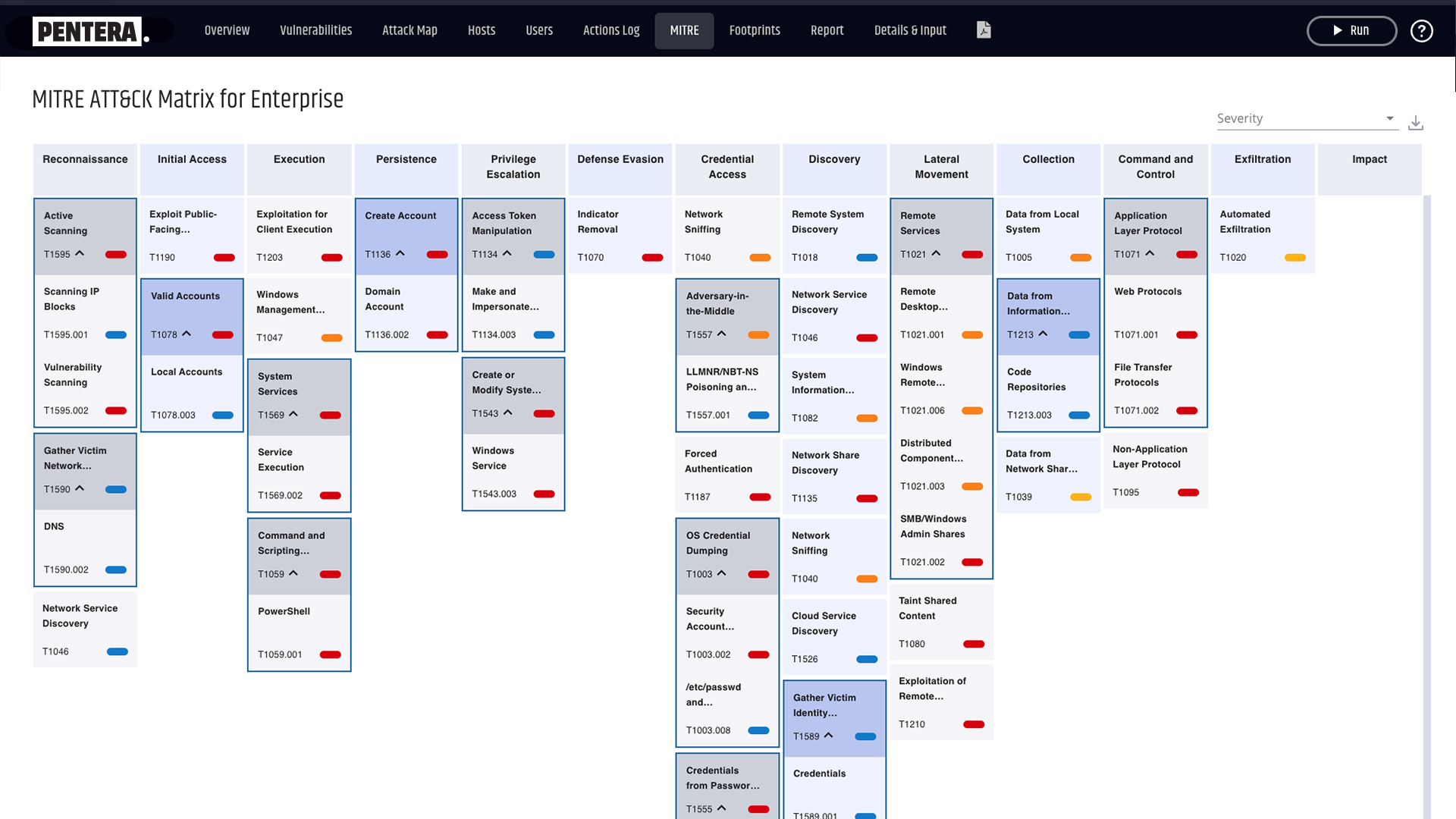
Evaluate how your EDR/XDR, AV, SIEM, firewalls, and identity controls detect and respond to real-world attack techniques mapped to MITRE ATT&CK. Fine-tune detection logic and optimize response workflows to reduce MTTD and MTTR and stop attackers before they reach critical assets.
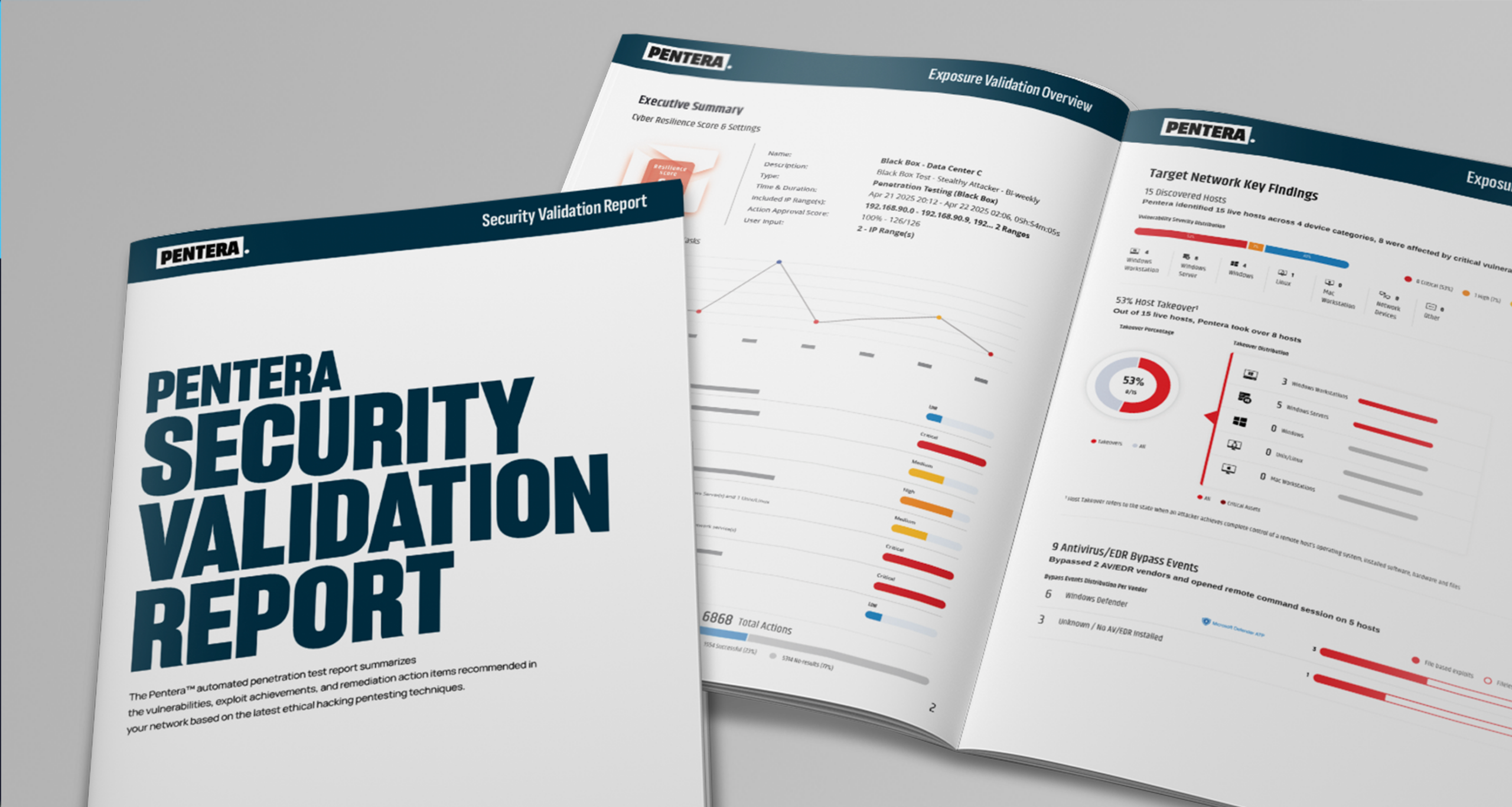
Translate validated exposure findings into clear, executive-ready reporting. Demonstrate risk reduction to boards, auditors, regulators, and cyber insurers with defensible, evidence-based insights.
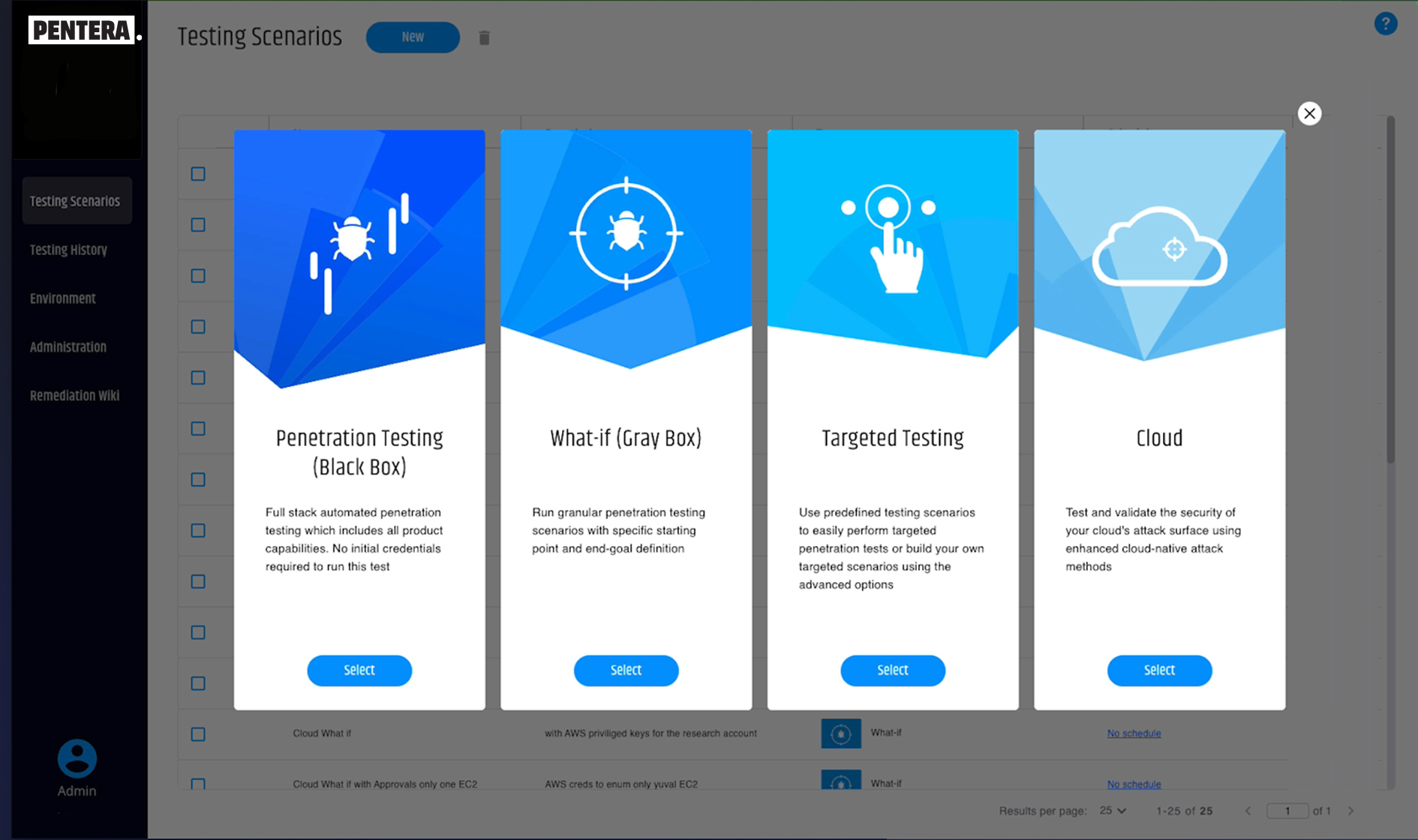
Run safe, assumed-breach penetration tests without prior knowledge of the environment or credentials to identify the most critical exploitable vulnerabilities tied to real-world attack techniques. Testing focuses on exposures leading to remote code execution and privilege escalation and is continuously updated using industry frameworks and threat intelligence, including MITRE, CVEs, NIST, and CISA, enriched by Pentera’s in-house research.
Assess blast radius by running targeted penetration tests that assume an attacker has already obtained valuable access, such as user credentials. Safely understand the impact of an initial breach and how far an attacker could progress within the environment.
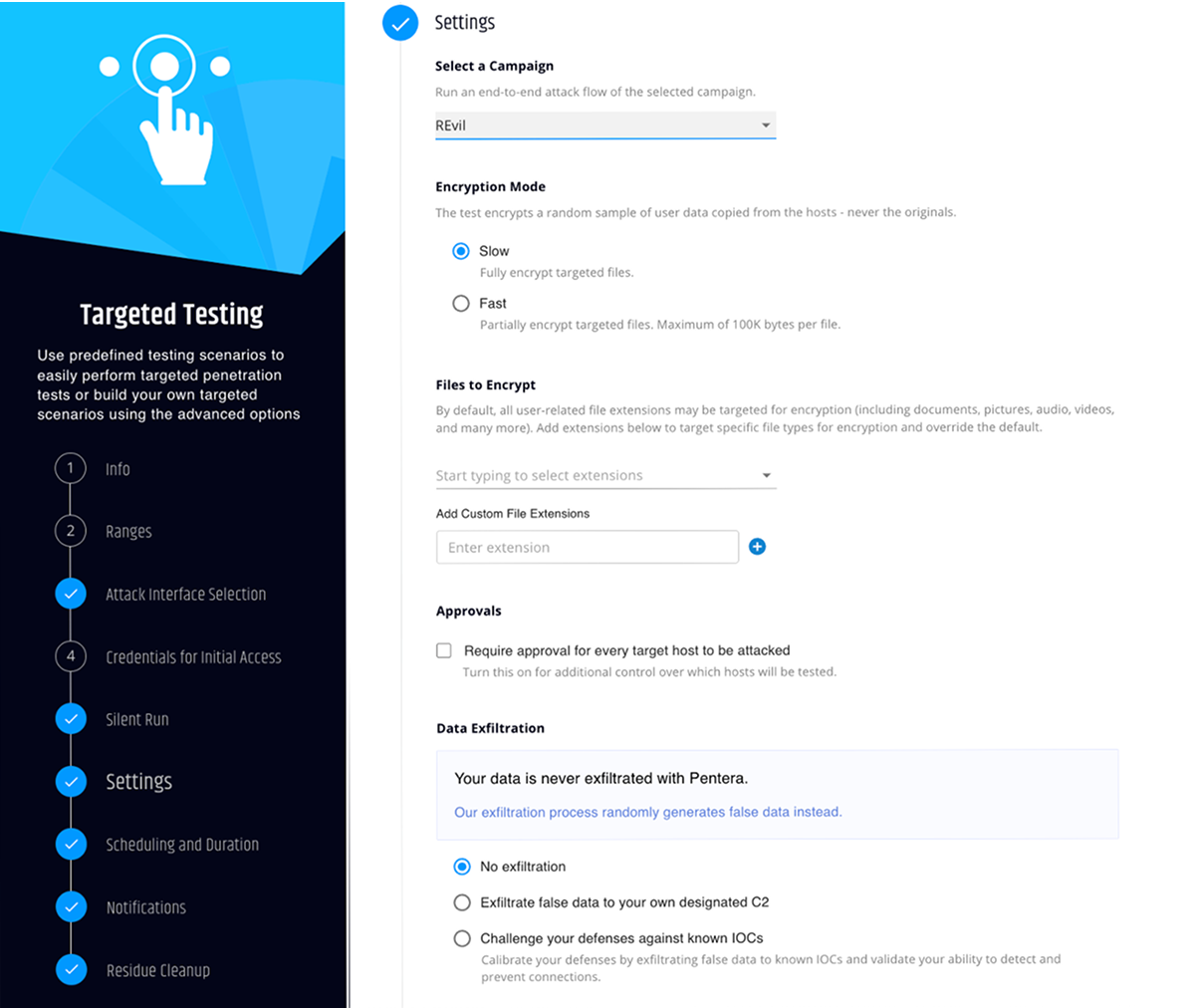
Run precise ransomware attack emulation to identify exposure against known threats groups. Validate your security against a wide range of ransomware strains such as REvil, Conti, Maze, LockBit 3.0, CI0p, BlackCat (ALPHV), Play and more.
Evaluate the real strength of your entire active directory by safely cracking password hashes offline. Identify accounts that comply with password policy but remain exploitable by attackers using modern cracking techniques.
Identify and validate exploitable vulnerabilities in web application interfaces by mimicking real attacker behavior. Test against the OWASP Top 10 using multiple fuzzing and exploitation techniques to uncover high-risk weaknesses.
Validate exposure to vulnerabilities actively exploited in the wild by targeting entries from CISA’s Known Exploited Vulnerabilities (KEV) catalog. Quickly determine whether known threats can be leveraged in your environment and how they can be prevented.
Yes. Pentera Core runs tests in live production environments. Every Pentera attack technique is created by the Pentera Labs research team and tested to ensure no impact to customer environments. Additionally, the tests are executed under customer-controlled guardrails, including throttling, impact limits, emergency stop controls, optional read-only modes, and full audit logging.
No. Pentera Core runs full internal attack paths regardless of obtained or assumed access. It can perform both Black Box and Grey Box testing and continues through lateral movement, privilege escalation, and post-exploit objectives.
Pentera Core records all attack actions executed during a test, their results, and the behavior of security controls throughout the attack chain. It captures successful and failed techniques, lateral movement paths, detection or prevention points, and where an attack was ultimately stopped, providing full visibility into how defenses performed against real-world attacker behavior.
Pentera Core uses artificial intelligence (AI) to orchestrate and adapt internal attack execution while remaining fully controlled by customer-defined guardrails. Pentera’s AI layer translates live attack activity into contextual insights.
Yes. Pentera Core re-runs attack paths to confirm whether remediation reduces attacker reach. When used with Resolve, results can be revalidated within remediation workflows.