


























Introduction
Traditionally, these assessments required on-site engagements with security professionals working within the corporate network. However, the rise of cloud adoption, hybrid workforces, and global security challenges has driven demand for remote penetration testing—a modern, scalable alternative to traditional pentesting. This article explores the advantages of Remote Penetration Testing, its growing adoption, and how automated security validation is reshaping the landscape.
Can Pentesters Be ‘Contained’?
Cybersecurity professionals—especially penetration testers—are among the most mobile experts in the field. Traditionally, experienced pentesters travel to global offices, working hands-on within corporate environments to test defenses. Large corporations often prefer the same professional to assess different locations for consistency in testing methodology and reporting. However, modern security teams are questioning whether this approach remains efficient, scalable, or even necessary. With remote work becoming the norm, organizations are increasingly shifting to remote penetration testing solutions that offer the same (or better) level of validation without requiring physical access.
Security Must Go On—Even Remotely
Security validation must continue without interruptions, ensuring that organizations stay ahead of cyber threats. Organizations must continuously test their security posture, regardless of whether teams are in-office or remote. By eliminating the need for in-person testing, Remote Penetration Testing enhances efficiency and reduces costs. With modern security validation technology, Remote Penetration Testing enables organizations to:
- Test from anywhere – No need for on-site visits, allowing flexible security testing across multiple locations.
- Reduce costs – Eliminates travel expenses and high consulting fees.
- Ensure consistent testing – Standardized methodologies ensure reliable results across different locations.
- Minimize disruptions – Security teams can schedule and run assessments without interfering with daily operations.
What Makes a Strong Remote Penetration Testing Solution?
In an ideal world a CISO would ask for software of this sort:
- Does exactly what a pen-tester does
- Doesn’t require any agents to be installed
- Works on-premise, but may be activated remotely
- Prioritizes remediation according to truly breachable vulnerabilities
- One that any IT person can operate
For organizations exploring remote pentesting, an ideal solution should: Emulate real-world attacks, just like a human pentester would, and operate without requiring agents or manual install accessible to security teams without requiring deep pentesting expertise. Fortunately, advanced automated security validation solutions now meet these exact criteria, delivering comprehensive pentesting results remotely and at scale.
Automated Pentesting: Walking the Talk
Security teams often approach Remote Penetration Testing with skepticism. Can software really replace the work of a professional pentester? The answer lies in real-time attack emulation. Unlike traditional penetration testing, which depends on human availability, expertise, and time limitations. Key advantages include:
- Scalability – Run security assessments across an entire network without constraints.
- Comprehensive Attack Simulations – Automated pentesting tools mimic the techniques used by ethical hackers.
- Real-time Insights – Unlike periodic manual tests, automated pentesting provides continuous visibility into evolving security gaps.
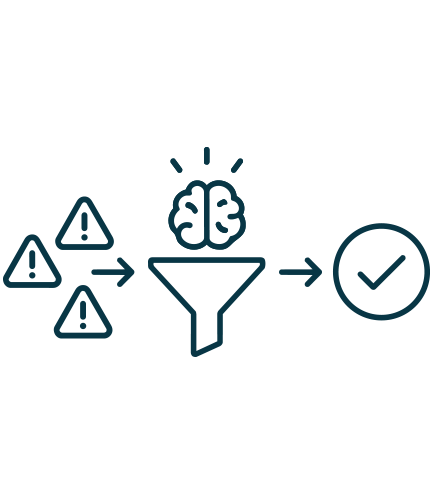
- Faster Remediation – Automated tests prioritize exploitable vulnerabilities, ensuring security teams focus on real threats.
Why Enterprises Are Adopting Remote Penetration Testing
Remote Penetration Testing is gaining widespread adoption due to its ability to enhance cybersecurity without the limitations of traditional on-site assessments. Understanding penetration testing pay structures can help businesses maximize their security investment. Learn more about this in our detailed breakdown of penetration testing pay.
The shift to remote penetration testing aligns with broader cybersecurity trends, including:
- Hybrid Workforces – More employees are working remotely, requiring security testing that extends beyond the corporate perimeter.
- Cloud Migration – As businesses move workloads to the cloud, remote security validation becomes essential.
- Cyberattack Sophistication – Threat actors are leveraging automated attacks; organizations must respond with automated security validation.
- Compliance & Regulations – Security testing is often mandated by industry regulations; remote pentesting ensures compliance at scale.
The Future of Penetration Testing
Remote Penetration Testing is now an essential component of modern cybersecurity strategies, ensuring continuous validation and proactive defense. With scalability, efficiency, and continuous validation, organizations can strengthen their defenses without the limitations of traditional pentesting. Security teams looking to optimize their testing strategy should explore automated penetration testing solutions, particularly those that align with penetration testing pay models to ensure cost-effective security validation., such as those recommended by OWASP and other leading cybersecurity organizations., which offer the power of remote, real-time attack simulations with zero disruption to operations. Book a demo today to experience the future of penetration testing firsthand.