























MITRE ATT&CK
Back to Glossary
What is MITRE ATT&CK?
MITRE ATT&CK (Adversarial Tactics, Techniques, and Common Knowledge) is a globally recognized framework developed by the MITRE Corporation. Designed to categorize adversary tactics and techniques observed in real-world cyberattacks, it provides organizations with actionable insights to improve threat detection, response, and overall cybersecurity posture.
Often referred to as the ATT&CK Matrix, MITRE ATT&CK Framework, or simply the MITRE Framework, it organizes attacker behaviors into tactics (objectives) and techniques (methods) across specific domains like Enterprise, Mobile, and Industrial Control Systems (ICS). For more details, consult the official MITRE ATT&CK website.
Why is MITRE ATT&CK Important?
The framework is critical for modern cybersecurity because it standardizes how organizations analyze, detect, and mitigate threats. Key benefits include:
- Structured Threat Intelligence: The framework helps organizations map, compare, and analyze cyber threats, enabling better decision-making.
- Enhanced Threat Detection: Security teams can align their detection tools with known adversarial tactics, improving coverage.
- Adversary Simulation: Red and purple teams use MITRE ATT&CK to emulate real-world threats and test an organization’s defenses.
- Incident Response Guidance: The framework provides actionable insights into attacker behaviors, helping predict their next moves.
Core Components of MITRE ATT&CK
Tactics
Tactics represent high-level goals adversaries aim to achieve during an attack. Examples include:
- Initial Access: Methods to gain entry into a network, such as phishing.
- Persistence: Techniques for maintaining unauthorized access over time.
- Exfiltration: Methods to steal data from compromised systems.
Techniques and Sub-Techniques
Techniques describe how attackers achieve specific objectives. Examples include:
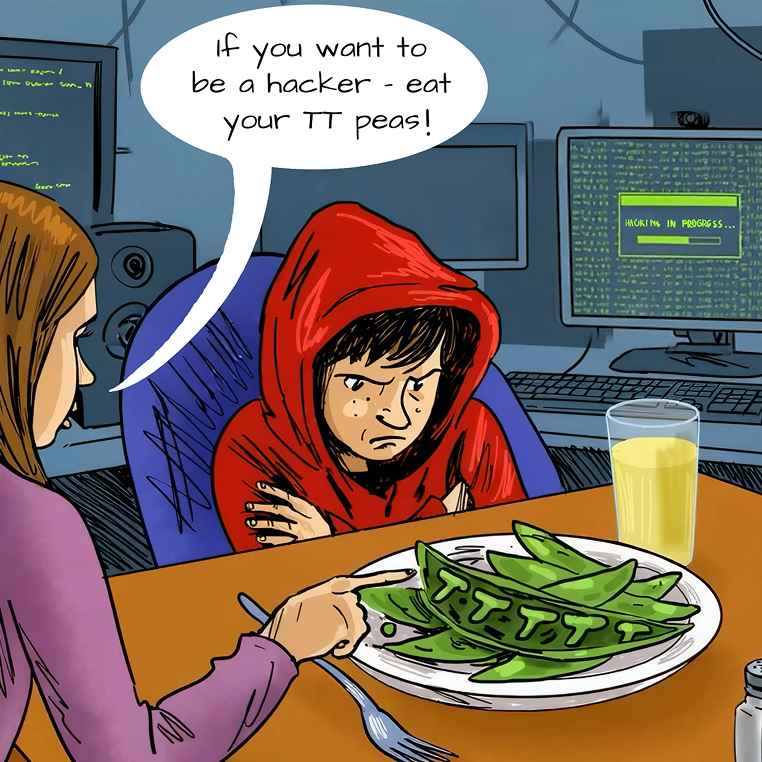
- Phishing (T1566): Using deceptive emails to steal credentials or deploy malware.
- Credential Dumping (T1003): Extracting stored credentials to escalate privileges.
- Sub-techniques add further specificity, such as phishing through malicious attachments or links.
Matrices
The framework organizes adversarial behaviors across environments:
- Enterprise: Covers traditional IT environments like Windows, macOS, Linux, and cloud platforms.
- Mobile: Focuses on threats targeting Android and iOS.
- ICS: Addresses attacks on industrial control systems critical to infrastructure.
How Organizations Use the ATT&CK Matrix
Threat Detection and Response
Security Operations Center (SOC) teams map attacker behaviors to the ATT&CK Matrix to improve detection capabilities and prioritize responses.
Adversary Emulation
Using this framework, red and purple teams replicate real-world threats to identify weaknesses and validate defenses. For a deeper dive into these simulation methods, explore Red Teaming.
Security Control Validation
The framework evaluates whether existing tools can detect or mitigate specific adversarial techniques. Learn how this process complements Security Control Validation to ensure defenses are robust and up to date.
Incident Response and Forensics
Incident response teams use the MITRE ATT&CK Framework to analyze attack patterns, predict adversary actions, and guide mitigation efforts.
Real-World Examples of MITRE ATT&CK in Action
- SOC Optimization: Security teams align SIEM alerts and EDR tools with the ATT&CK Matrix to enhance coverage.
- Ransomware Defense: MITRE ATT&CK helps simulate ransomware tactics, such as lateral movement and data encryption, to test defenses.
- Compliance Reporting: The ATT&CK Framework provides structure for regulatory compliance audits and reporting.
Each variation reflects the framework’s global recognition and its applicability across various cybersecurity use cases.